What Are Two Specific Standards Involving Employee Cleanliness
Every workplace sets clear cleanliness standards for employees to protect public health, maintain hygiene and ensure orderly working conditions. Below are two specific, widely adopted cleanliness standards for staff.
Standard 1: Personal Grooming and Body Hygiene Requirement
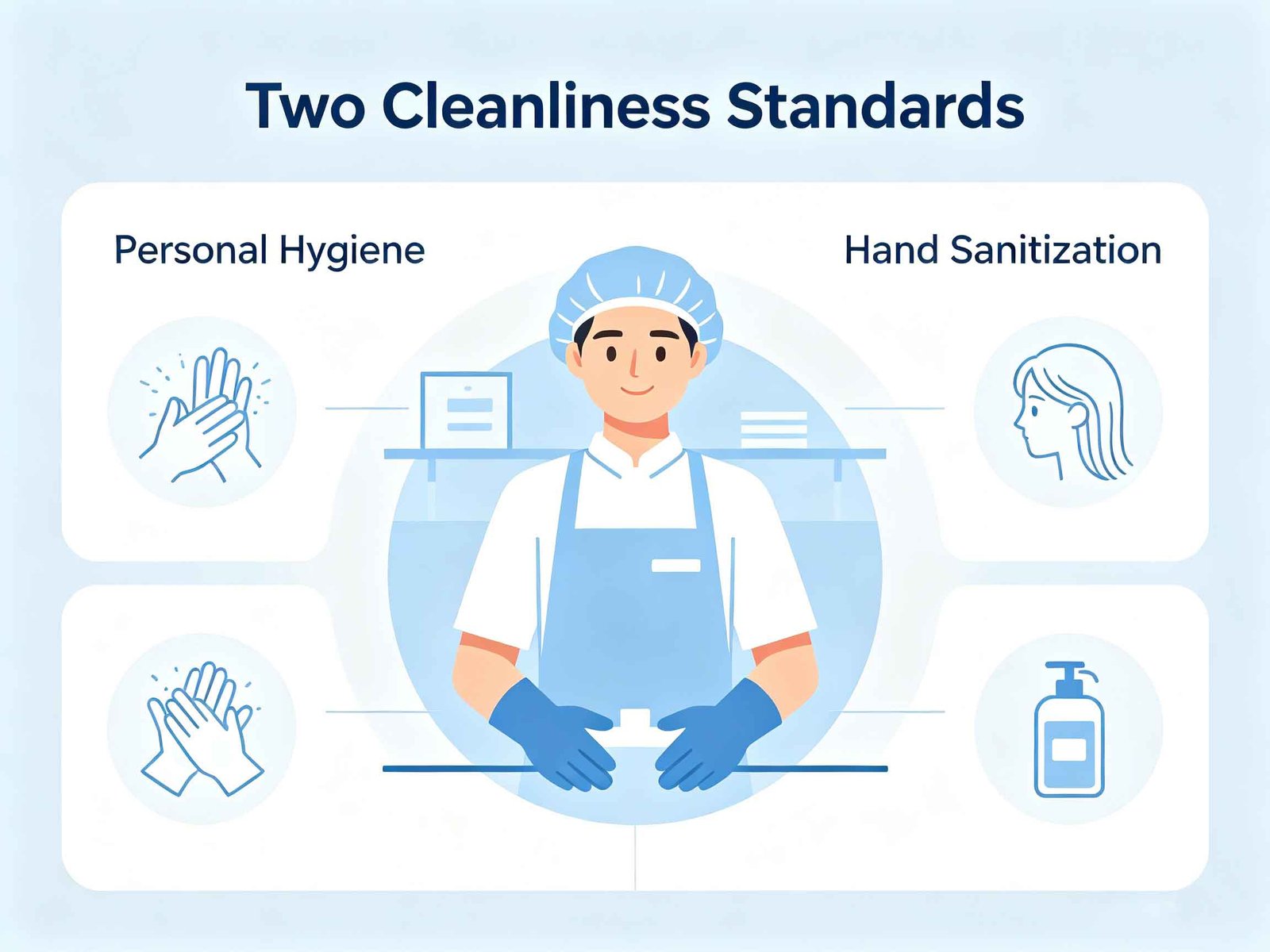
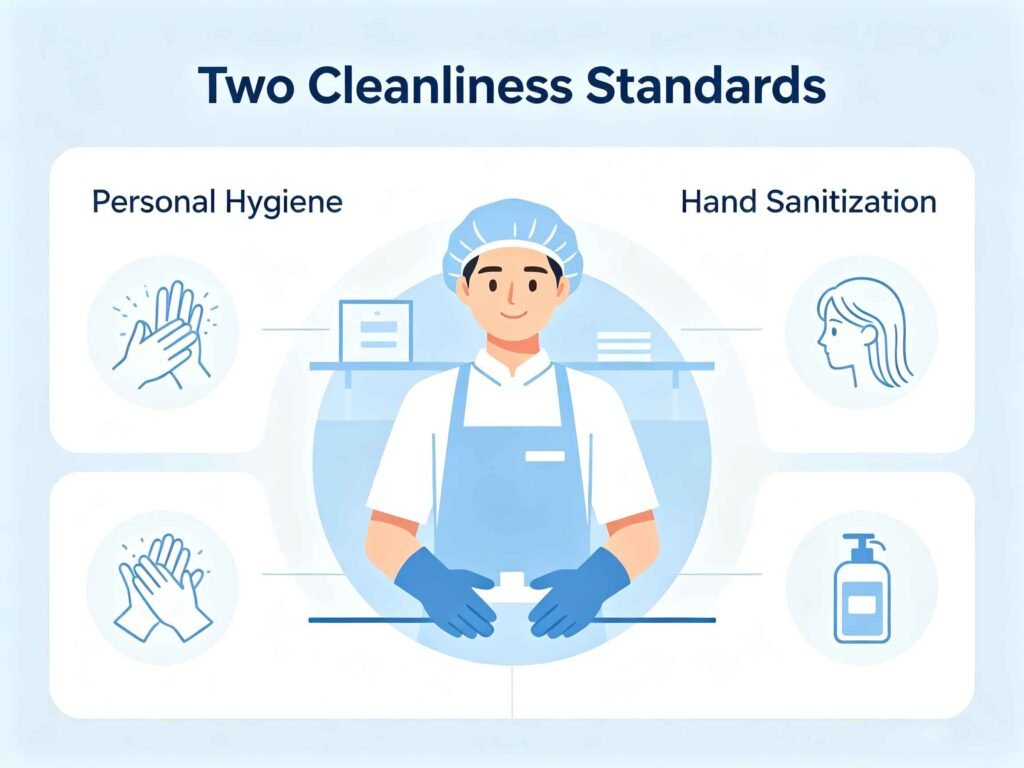
Employees must maintain proper daily personal hygiene while on duty. Staff should keep their bodies clean by bathing regularly, avoid strong body odors and heavy, overwhelming perfume. Hair must be neatly kept; long hair needs to be tied back or covered with hairnets, especially for workers in food service, medical and manufacturing industries. Fingernails should be kept short, clean and free of dark nail polish or artificial nails, to prevent dirt, bacteria or nail fragments from contaminating products or contact surfaces. Visible dirt on hands, face and skin is not allowed during working hours.
Standard 2: Hand Washing and Hand Sanitization Protocol
Employees are required to wash hands thoroughly with soap and running water for at least 20 seconds at specified moments. Mandatory handwashing times include before starting work, before handling goods/food, after using restrooms, after touching trash, raw materials or contaminated surfaces, and after coughing or touching the face. If handwashing facilities are unavailable, approved alcohol-based hand sanitizer must be used. Employees cannot perform work tasks with unclean hands; gloves alone cannot replace regular hand cleaning.
These two cleanliness standards reduce the spread of germs, lower contamination risks and build a safe, professional working environment for both employees and customers.